How to Survive and Grow Through a Slow Season
Every venue has slow periods. The smart ones use them to build for the year ahead. Here's how to soften the dip and come out stronger.
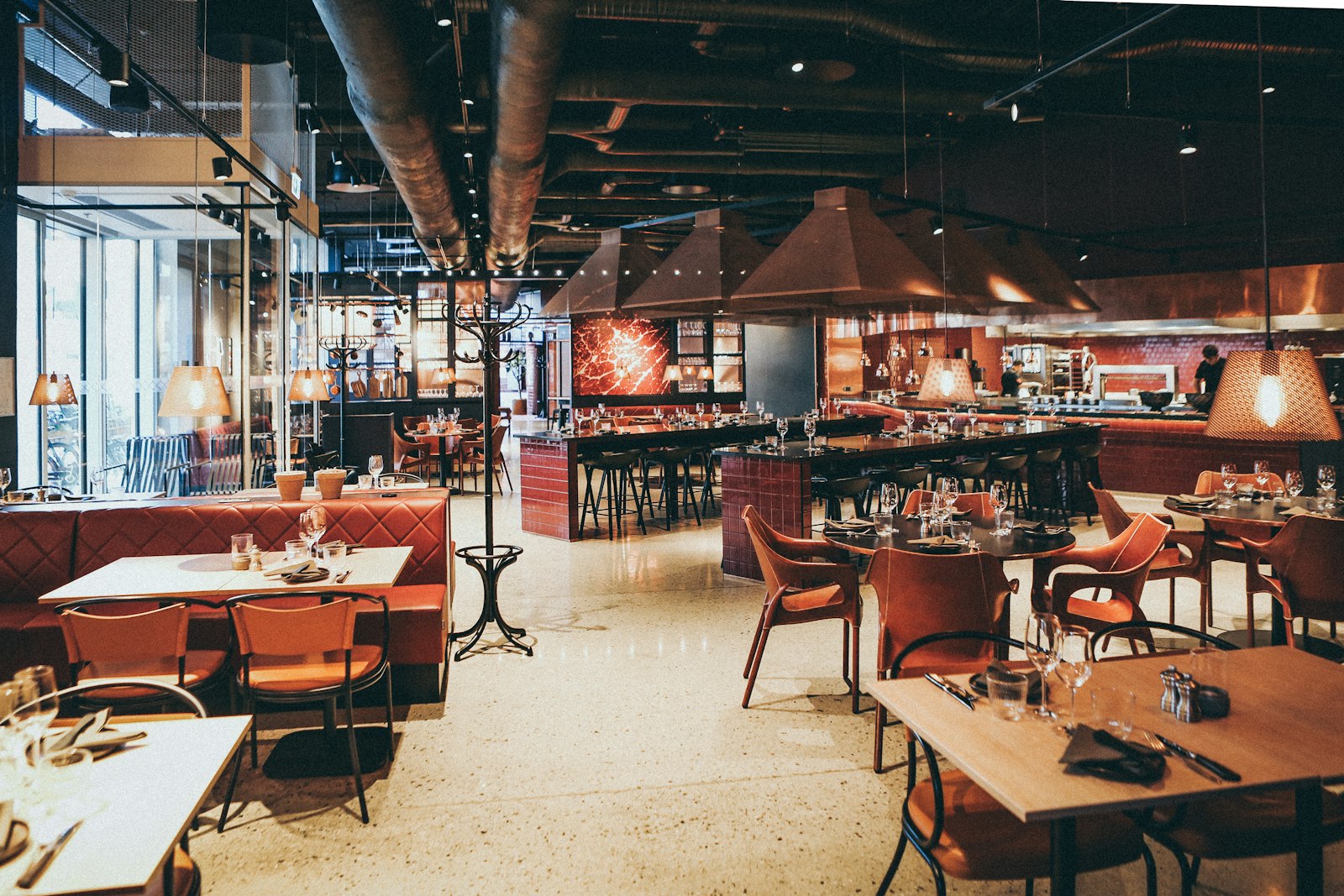
Whether it's January, a wet month, the post-summer lull, or simply your quiet weeks, every venue faces slow seasons. The difference between venues that struggle through them and venues that come out stronger is what they do during the quiet. This guide shows you how to soften the dip and use slow periods to build for the year ahead.
Reframe the slow season as an opportunity
A quiet season is two things at once: a revenue challenge and a rare window of time you don't have when you're slammed. The venues that win treat it as both — they work to capture more than their share of the reduced demand, and they use the breathing room to set up a stronger, busier future. Hibernating loses on both counts.
Step 1: Don't cut marketing — focus it
The instinct when it's slow is to cut spend. That's backwards: when demand is low, you have to work harder to win your share of it. Keep marketing, but point it precisely at filling the quiet sessions with targeted offers and events. Going dark just hands the limited demand to competitors.
Step 2: Drive demand with reasons to visit
- Targeted offers for the slow days — midweek menus, themed nights, comfort-food deals.
- Events that create a reason to come out when people otherwise wouldn't.
- Seasonal hooks that fit the moment (cosy winter menus, Dry-January options, summer terrace promotions).
Step 3: Lean on the audience you've built
Slow seasons are exactly when your customer list pays off. A well-timed email or SMS to past guests can fill a quiet service for pennies. If you don't have a list yet, building one should be your top priority — it's your insurance against every future slow spell.
Step 4: Use the time to build
The quiet is your chance to improve the things you never have time for in the rush:
- Refresh your brand and photography for the year ahead.
- Plan events and campaigns for the busy months.
- Set up systems — reviews, email, loyalty, online ordering — that pay off all year.
- Train your team while service is calm.
Step 5: Come out stronger
Venues that invest during the quiet open the next busy season sharper, better-marketed and ready to capitalise — while the ones who hibernated are starting cold. The slow season is where next year's growth is built.
Common mistakes
- Cutting all marketing because "no one's coming anyway."
- No customer list to message when you need covers.
- Wasting the downtime instead of building.
- Ignoring seasonal hooks that could pull people in.
Your slow-season action plan
- Keep marketing — focus it on filling the quiet sessions.
- Launch targeted offers, events and seasonal hooks.
- Message your list (and build one if you don't have it).
- Use the time to refresh brand, photos, systems and plans.
- Train your team and prepare for the busy season.
How long until you see results?
List-driven offers can fill specific slow nights within days. The bigger payoff — a stronger, busier year — comes from the systems and plans you put in place during the quiet.
Want a plan to get through your slow season and grow? Get started.