How to Get More Customers in Your Restaurant: 12 Proven Tactics
A practical, no-fluff playbook for filling more tables — from quick wins you can do today to the bigger moves that compound over months.
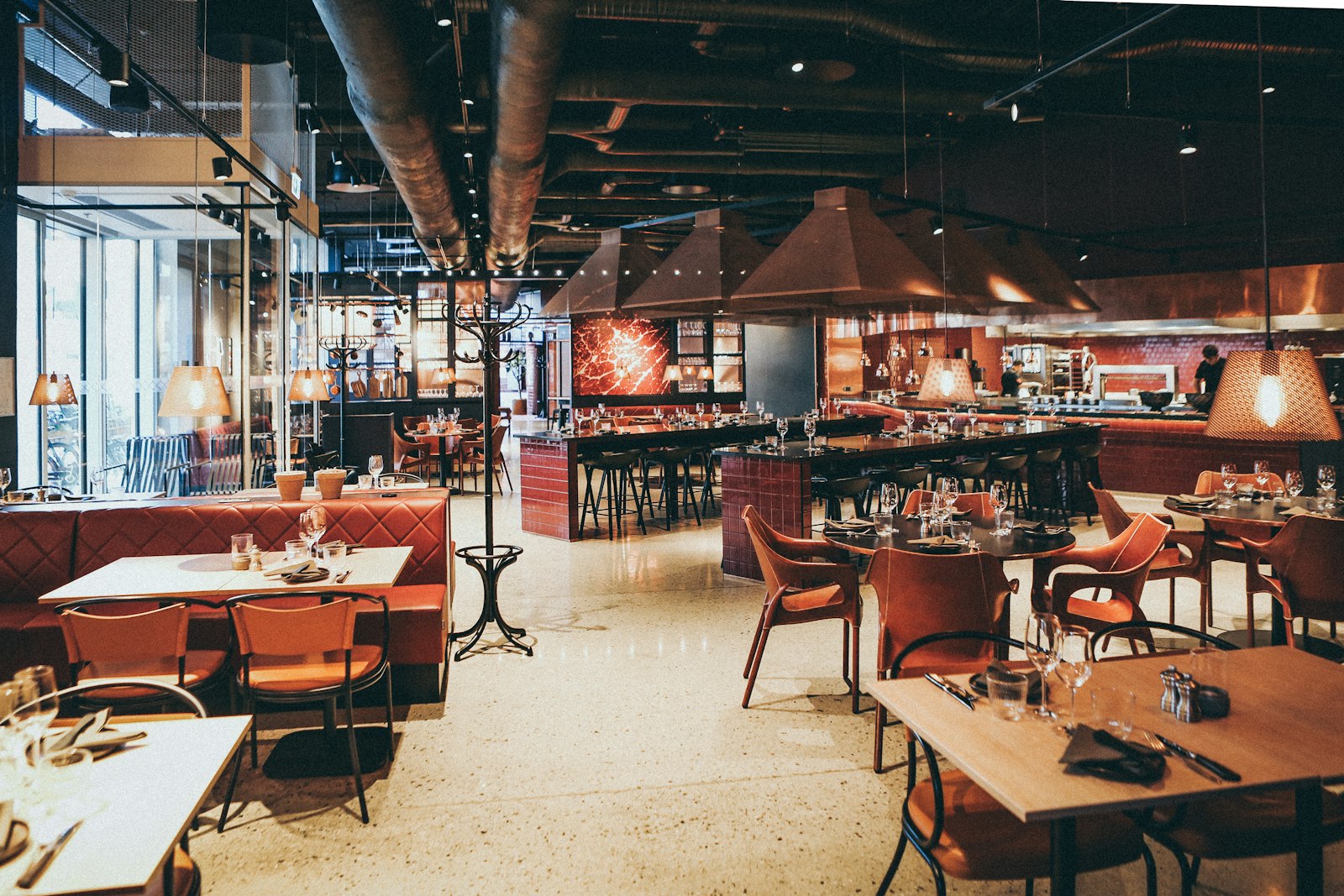
If covers are down — or simply stuck — it's tempting to think you need one big idea to turn things around. You don't. In fifteen years of growing hospitality venues, we've found that getting more customers into a restaurant is almost always the result of doing a handful of proven things consistently, in the right order. This guide walks through all twelve, exactly how we'd prioritise them, with the specifics, the numbers, and a worked example you can learn from.
First, understand the three levers you're pulling
Every tactic below moves one of three numbers. Keep them in mind, because they tell you where your biggest opportunity is:
- How many people come in (new customers and footfall)
- How much each one spends (average spend per head)
- How often they come back (frequency and loyalty)
Most owners obsess over the first lever and ignore the other two — which is a mistake, because lifting spend and frequency is usually faster, cheaper and more profitable than constantly chasing strangers. Here's roughly what each lever is worth for a typical mid-sized venue:
| Lever | A 10% improvement means… | Relative cost to achieve |
|---|---|---|
| More customers (footfall) | ~10% more revenue | Highest (ads, SEO, time) |
| Higher average spend | ~10% more revenue, mostly margin | Low (menu, prompts) |
| More frequent visits | ~10% more revenue, very cheap | Lowest (list, loyalty) |
Notice that lifting spend and frequency is far cheaper than acquisition — yet most marketing budgets go entirely to the top row. We'll cover all three.
Quick wins: do these in the next seven days
These cost little or nothing and start working almost immediately.
1. Claim and fully complete your Google Business Profile
For "restaurants near me" and "[your town] + [cuisine]" searches, your Google profile is the first — and often only — thing a hungry customer sees. It's free, and it's the single highest-return thing most venues can do. Don't just claim it — complete it: the right primary category, accurate hours, your menu, a booking link, an order link, and 15+ high-quality photos. (We've written a full Google Business Profile optimisation guide — work through it.)
2. Start asking happy guests for reviews — properly
Your star rating directly affects both your ranking and whether someone chooses you over the place next door. Create your Google review QR code, put it on the bill, and train your team to ask at the peak moment. (See how to get more Google reviews for the full system.)
3. Fix your photography
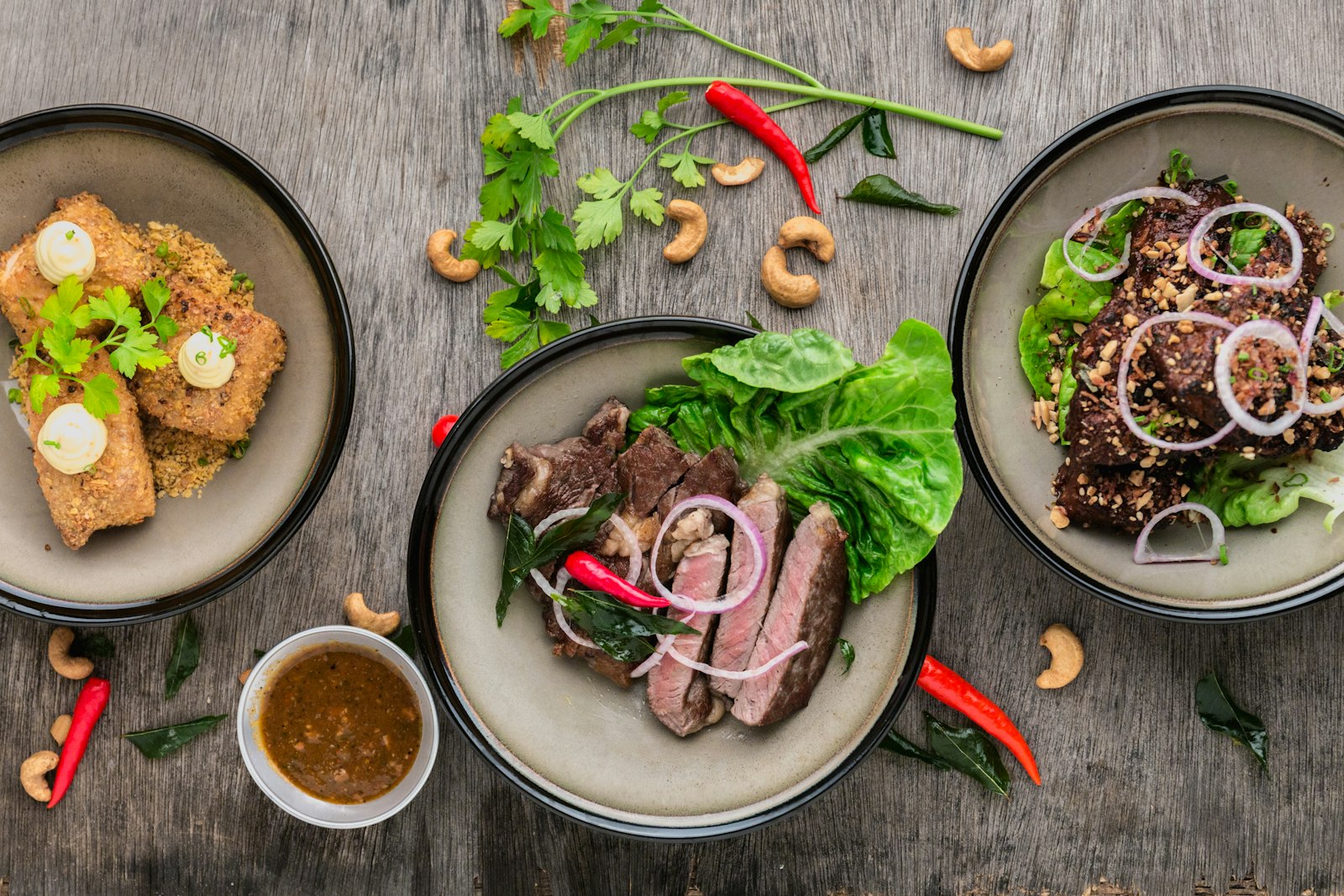
On a screen, your photography is your food. Dark, phone-snapped pictures quietly cost you covers every day. Even a single proper shoot — used everywhere for months — pays for itself fast.
4. Post on social consistently
Three good posts a week beats ten in a burst. (Our Instagram guide has a simple weekly system.)
The bigger moves: weeks 2–8
5. Run a midweek offer with a reason behind it
Quiet weeknights kill margins. The fix is a reason to come on a Tuesday — a themed night, a midweek set menu, an event — not just a blanket discount. (Full playbook: how to fill empty tables on quiet weeknights.)
6. Start collecting customer details — today
A list of past guests is the cheapest way to fill quiet sessions on demand. Capture emails and numbers at the table, through bookings and online ordering, and with a sign-up offer.
7. Win the local "map pack"
The top three local results capture the majority of clicks for "near me" searches. (See how to rank higher in "restaurants near me".)
8. Use paid ads with a real offer
A$300–A$500/month on Meta and Google, built around an offer worth responding to, reliably puts bums on seats. (How much to spend and how to measure it: our ad-budget guide.)
9. Engineer your menu
Layout and pricing psychology lift average spend, so the same covers earn more. (Full guide: how to design a menu that sells.)
10. Build a rhythm of events
Quiz nights, supper clubs, live music — dependable reasons to visit on quiet nights, which also generate content and word of mouth.
11. Partner locally
Hotels, offices, gyms and nearby businesses are full of people who don't know you yet. A simple cross-promotion or corporate lunch offer can open a steady stream of new covers.
12. Reward loyalty
A simple loyalty scheme turns one visit into a habit. Because reaching an existing happy customer costs a fraction of winning a new one, this is one of the most profitable things you can do.
Worked example: a 60-cover bistro turning around quiet nights
Take a typical neighbourhood bistro doing well on weekends but running at ~40% capacity Tuesday to Thursday. Here's the order we'd work in, and the rough impact:
- Weeks 1–2: Completed the Google profile, added 18 photos, launched a review QR on every bill. Reviews went from 60 to 140 over eight weeks; rating rose from 4.2 to 4.6.
- Week 3: Launched a "Midweek Three Courses for A$24" set menu, promoted by a single SMS to a 600-person list and a A$12/day Meta ad within three miles.
- Result by week 6: Midweek covers up from ~24 to ~39 a night — a 62% lift — at a customer-acquisition cost under A$3 a head from the ad, and effectively free from the SMS.
- Then: A menu re-engineer lifted average spend by A$4.80 a head, dropping straight to margin.
No single tactic did it. The sequence — visibility first, then an offer to a captured audience, then spend optimisation — did.
The common mistakes that hold venues back
- Doing everything at once and nothing well. Pick three things, do them consistently for two months, then add more.
- Stopping marketing when you get busy — exactly when you should be building for the next quiet spell.
- Measuring likes instead of covers. If you can't tie an activity to bookings or revenue, you can't know if it's working.
- Ignoring the customers you already have. Retention and average spend are cheaper wins than constant acquisition.
- Discounting instead of adding value. Discounts train price-sensitive behaviour; value builds a brand.
Your 30-day action plan
- Week 1: Complete your Google profile, set up a review system, fix your worst photos.
- Week 2: Start posting consistently; begin capturing customer details at every table.
- Week 3: Launch one midweek offer and promote it to your new list and with a small ad.
- Week 4: Review what moved — covers, bookings, average spend — and double down on the winners.
How long until you see results?
Quick wins (Google profile, reviews, a midweek offer) can show up within 2–4 weeks. Local SEO and brand work compound over 2–3 months. The venues that win aren't the ones with the biggest budgets — they're the ones who showed up consistently and measured what mattered.
If you'd like a free, honest audit of exactly where your easiest wins are, get in touch. Hospitality is all we do, so we'll know precisely where to look.