Menu engineering: design your menu to sell more
Small layout and pricing tweaks can lift average spend by double digits. Here is how the pros do it.
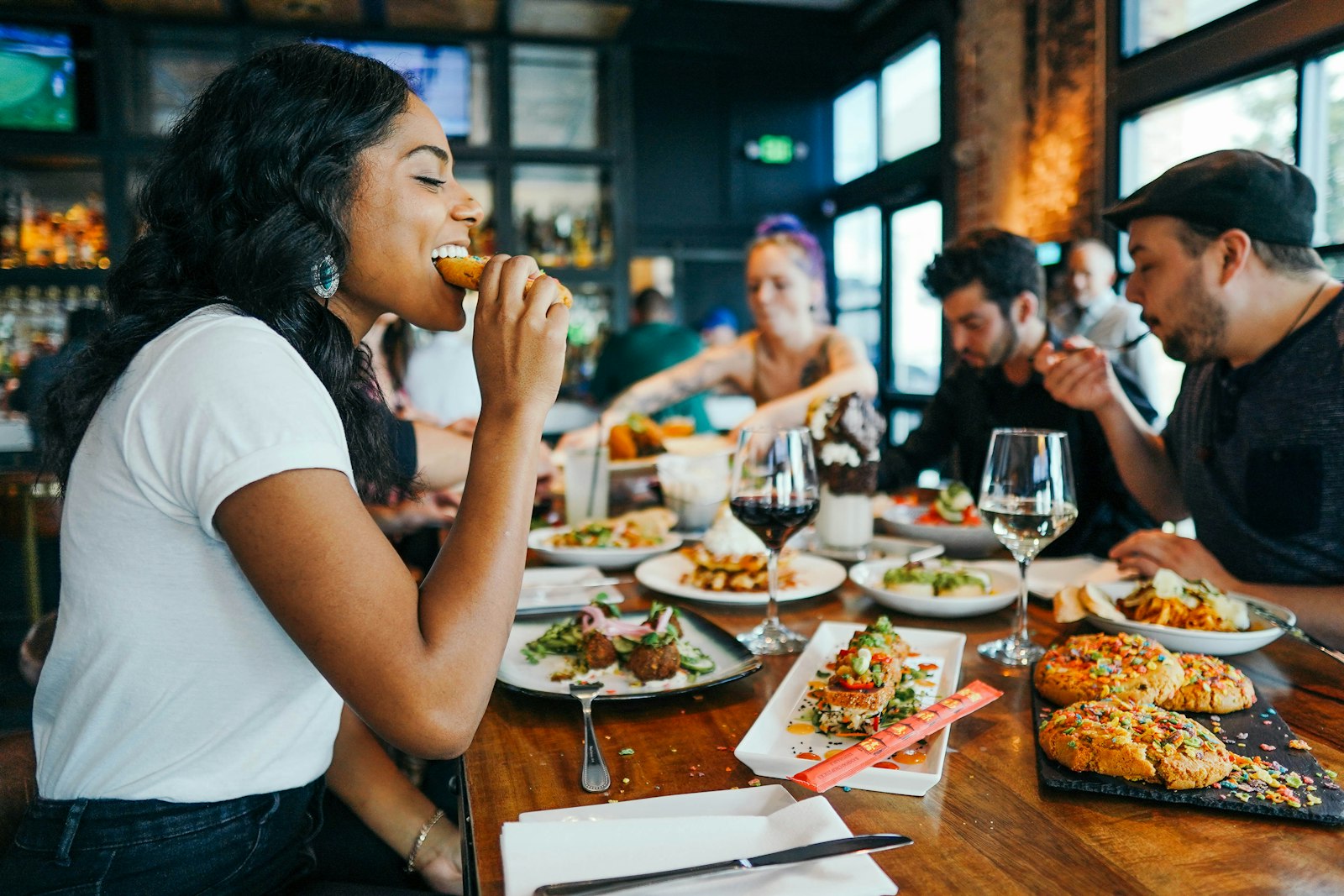
Your menu is the most-read piece of marketing you own — every guest studies it, at the exact moment they decide how much to spend. Menu engineering is the practice of designing it to guide those choices and grow your profit, using data, layout and psychology. Get it right and you lift average spend on every table without raising a single price. Here's how.
What menu engineering is
Menu engineering combines data (which dishes are popular and profitable), design (where the eye goes, how prices are shown), and psychology (anchoring, descriptions, choice architecture) to steer guests toward the items that make you the most money — while improving their experience. It's invisible to the customer and transformative for your margins.
Step 1: Analyse your menu by the numbers
Pull your sales data and dish costs, and plot every item on popularity vs. profitability:
- Stars (popular + profitable): feature prominently, protect quality.
- Plough-horses (popular + low margin): tweak recipe/portion/price, or pair with high-margin sides.
- Puzzles (profitable + unpopular): reposition, rename, describe better.
- Dogs (unpopular + low margin): remove them.
This is the foundation — never redesign without it.
Step 2: Guide the eye
Eyes land on predictable hot spots (often the top of each section and the top-right of the page). Put your stars there. Use a subtle box or highlight on two or three signature dishes per section — but sparingly, so they stand out. Keep each section to roughly 5–7 options; too many choices cause paralysis and people default to the cheaper, safer pick.
Step 3: Price with psychology
- Drop currency symbols ("14" not "A$14.00") to reduce the "pain of paying."
- Don't right-align prices in a column — it invites price-scanning. Tuck prices discreetly after the description.
- Avoid .99 pricing in quality venues — it reads "cheap."
- Anchor with a premium dish so the rest looks like good value.
Step 4: Write descriptions that sell
Specific, sensory descriptions ("slow-braised 12-hour shin of beef, red-wine jus") increase both perceived value and orders versus plain names ("beef stew"). Mention provenance and preparation where they add appeal — but keep it concise.
Step 5: Design for the high-margin extras
Desserts, sides and drinks are usually your best margins and the most often skipped. Give desserts a clear, tempting section; make sides and add-ons easy ("make it a meal"); suggest drink pairings. Prompt them in service too.
Step 6: Keep it readable and on-brand
A beautiful menu that's hard to read fails; a tired, clip-art menu undermines great food. Clear typography, sensible sizing (your guests aren't all 25 in bright light), and a design that matches your brand all lift perceived quality — which justifies your prices.
Step 7: Test and refine
Track which dishes sell after each change. Promote the profitable favourites, rework the puzzles, cull the dogs. Small, compounding gains across every cover add up to serious money over a year.
Common mistakes
- Redesigning without the popularity/profitability data.
- Keeping dogs out of habit; burying stars in the middle.
- A neat price column that encourages price-scanning.
- Weak descriptions; neglected desserts and drinks.
- Never measuring or refining.
Your menu action plan
- Plot stars, plough-horses, puzzles and dogs from your data.
- Cut dogs; reposition puzzles; feature stars in hot spots.
- Remove currency signs and the price column; add an anchor.
- Rewrite descriptions to be specific and sensory.
- Promote desserts, sides and drinks.
- Keep it readable and on-brand; track and refine.
How long until you see results?
Because the menu is in front of every guest, well-executed changes can lift average spend within the first few weeks — menu engineering routinely pays for itself many times over.
Want it designed and engineered for you, with the data work done? Brand & Menu Design.